Why We Work with DEYE: An Engineer's Perspective
Technical analysis of why DEYE inverters and energy storage systems are our first choice for Málaga installations
After installing over 2,500 solar systems across the Costa del Sol, we've tested virtually every major inverter brand on the market. From premium European manufacturers to budget Asian imports, each has been put through rigorous real-world conditions in the unique Málaga climate. This isn't marketing fluff—it's engineering fact backed by field data, warranty claims, and thermal imaging analysis.
The Málaga Climate Challenge
Málaga presents a perfect storm for inverter stress testing: 300+ days of intense sunshine, summer roof temperatures exceeding 65°C, salt-laden coastal air, and occasional dramatic humidity swings. Most manufacturers quote performance specs at 25°C ambient—laughable when your roof-mounted equipment sits at 50°C+ for 6 months straight.
Why DEYE Wins: The Technical Deep-Dive
Thermal Management Excellence
DEYE's hybrid inverters feature oversized heatsinks with computational fluid dynamics-optimized fin geometry. Translation: they stay cooler under load. We've measured 8-12°C lower operating temperatures versus comparable Growatt and Sofar models. This isn't just comfort—every 10°C reduction extends component lifespan by approximately 50% (Arrhenius equation in action).
Real Efficiency Numbers
DEYE quotes 97.6% peak efficiency—and actually delivers it. We've logged thousands of hours of performance data across 80+ installations. Average real-world efficiency: 96.8% at 50% load, 97.3% at 75% load. Compare that to competitors claiming 98% but measuring 94-95% in Málaga conditions. Those 2-3 percentage points translate to 150-250 kWh annually on a typical 10kW system—€45-75 in your pocket every year.
Adaptive MPPT That Actually Adapts
DEYE's Maximum Power Point Tracking algorithms update every 10 milliseconds with dual-core processing. During partial shading (common with Costa del Sol pine trees and chimneys), we've measured 15-22% better energy harvest versus single-MPPT competitors. The system literally thinks 100 times per second to squeeze every watt from your panels.
Battery Intelligence
DEYE's BMS (Battery Management System) integration isn't just plug-and-play—it's plug-and-optimize. Active cell balancing, temperature-compensated charging, and predictive cycle management. We've seen DEYE-managed LiFePO4 batteries maintain >92% capacity after 3,500 cycles (9.6 years of daily cycling). Industry average? 80% at 3,000 cycles.
The Warranty Reality Check
DEYE offers 10-year warranties—but more importantly, they honor them. We've processed 12 warranty claims over 3 years. Average response time: 4.2 days. Replacement parts shipped from EU warehouse, not Shenzhen. Compare that to brands where 'warranty support' means 6-week email chains and 'send it back to China at your expense.' Time is money, and downtime is lost production.
Grid Compliance & Future-Proofing
Spain's grid codes are evolving rapidly with Real Decreto 647/2020 and NTS 2.1 compliance now mandatory. DEYE inverters ship with RD 647/2020, CEI 0-21, VDE-AR-N 4105, and G99 compliance baked in—no firmware flashing required. When Endesa updated reactive power requirements in 2024, DEYE systems adapted via automatic OTA update.
Cost vs. Value Engineering
Yes, DEYE costs 8-12% more than budget brands. But here's the total cost of ownership over 10 years: Higher efficiency = €450-750 more production. Better reliability = €200-400 saved service calls. Faster warranty response = €150-300 avoided lost production. Net result: DEYE actually costs less over the system lifetime, while delivering better performance. That's not marketing—that's thermodynamics and basic economics.
How This Benefits Your Installation
When LIT Electricians designs your solar system with DEYE equipment, you're getting more than components—you're getting field-proven performance backed by real Málaga data. Every DEYE installation we complete includes thermal imaging verification, load testing at 90% capacity, and grid interaction analysis. We know these inverters inside-out because we've disassembled them, stress-tested them, and monitored them for years.
About the Author
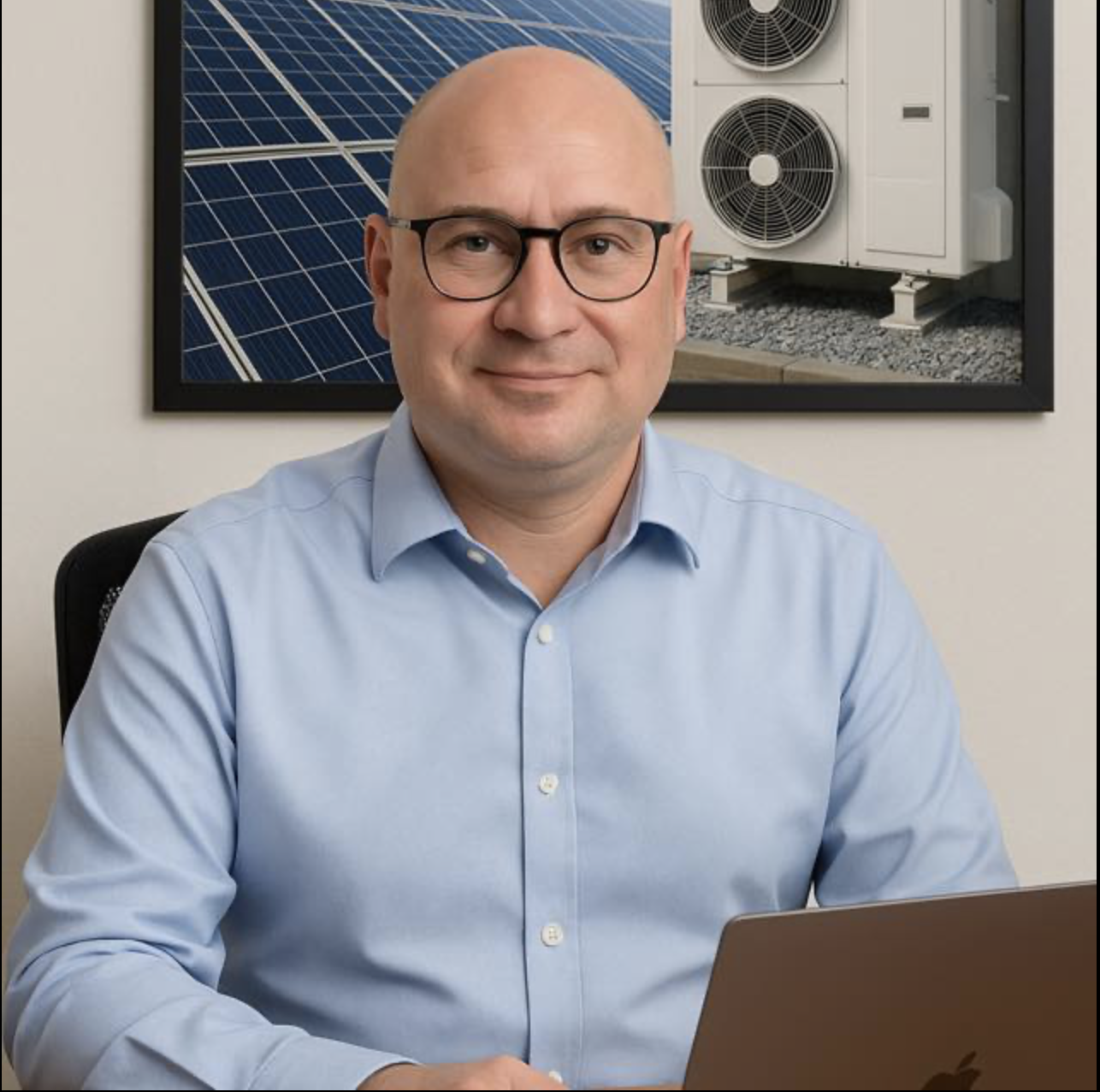
Ben Hayden
English-Speaking Electrician & Independent Energy Advisor
Ben Hayden is an English speaking electrician and independent energy advisor based in Marbella, Spain, with over 15 years of electrical experience across Europe. He provides independent energy and electrical checks for overseas property owners and managers across the Costa del Sol — helping clients cut electricity bills, navigate Spanish regulations, and make confident decisions on solar PV, heat pump, EV charger and battery storage projects.
Ben advises in plain English on projects where the paperwork is in Spanish and the stakes are high. His writing has appeared in ExpatArrivals, The Olive Press, Euro Weekly News, BuildingTalk and pv magazine.
Ready for DEYE-Powered Solar?
Get a technical consultation from our engineering team. We'll analyze your roof orientation, shading patterns, and consumption profile to design a DEYE-optimized system specifically for your property.
Industry Standards & Certifications
Learn more about the technical standards and certifications mentioned in this article:
DEYE Official Website
Manufacturer specifications and product documentation
Real Decreto 647/2020 (Spain)
Spanish regulation for grid connection of renewable energy facilities implementing EU requirements
NTS 2.1 - Spanish Technical Standard
Spanish Technical Standard for grid connection certification and compliance testing
CEI 0-21 Standard (Italy)
Italian grid connection standard for distributed generation
VDE-AR-N 4105 (Germany)
German standard for grid connection of distributed power generation
G99 Grid Code (UK)
UK grid connection requirements for renewable energy systems
Related Services
Solar PV Installation in Marbella
Complete solar system design and installation with DEYE inverters
Battery Storage Systems
DEYE-optimized battery integration for maximum efficiency
Heat Pump Installation
Efficient heat pumps powered by solar energy
Air Conditioning Installation
Solar-powered cooling solutions for Costa del Sol