
Featured Projects
Selected project scopes and installation records
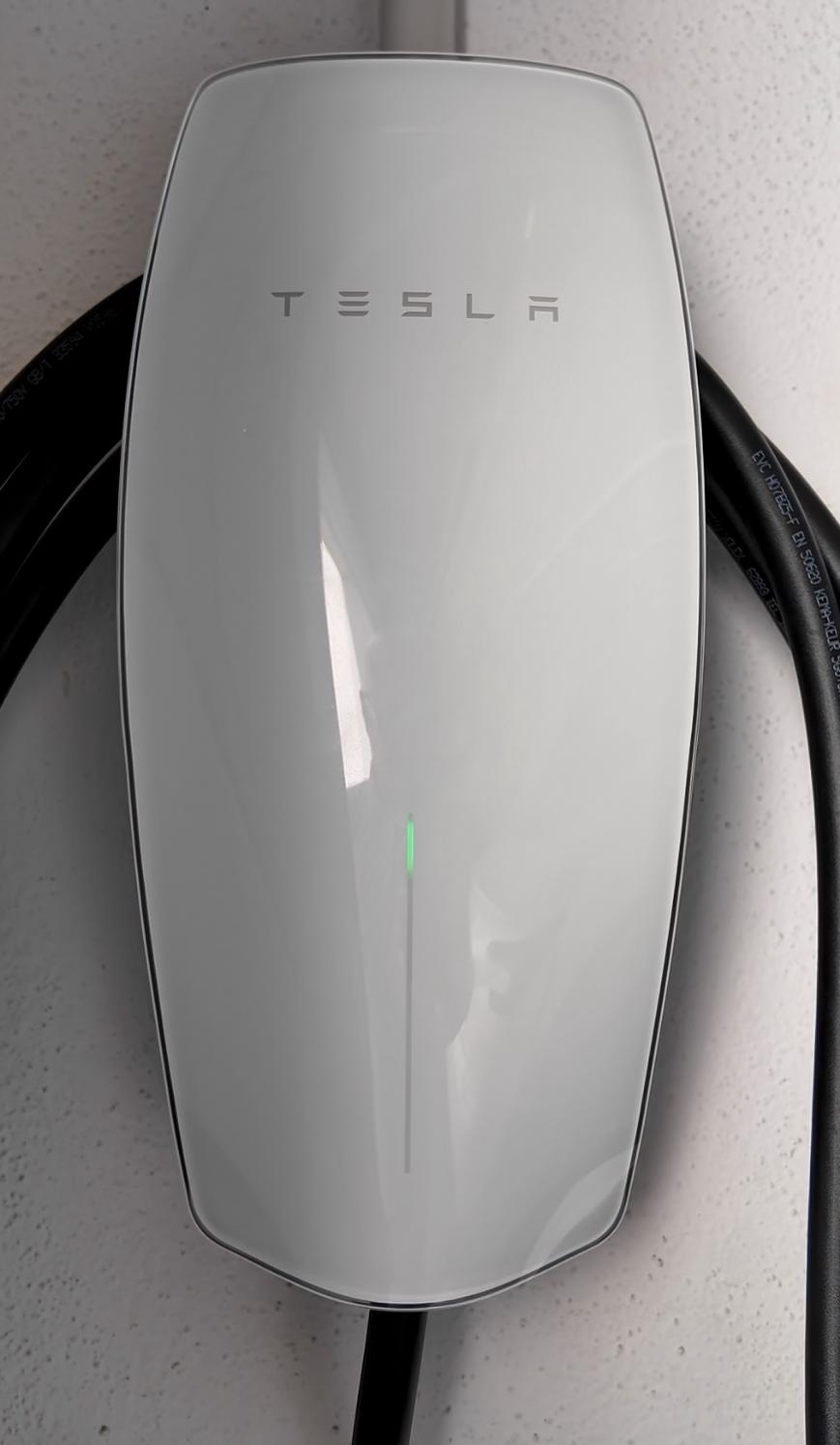
Tesla Wall Connector Gen 3 — Private Garage, Estepona
Tesla Wall Connector installation at a home in Estepona. The case documents the charger and electrical integration; actual charging power depends on the vehicle, supply and commissioned settings.
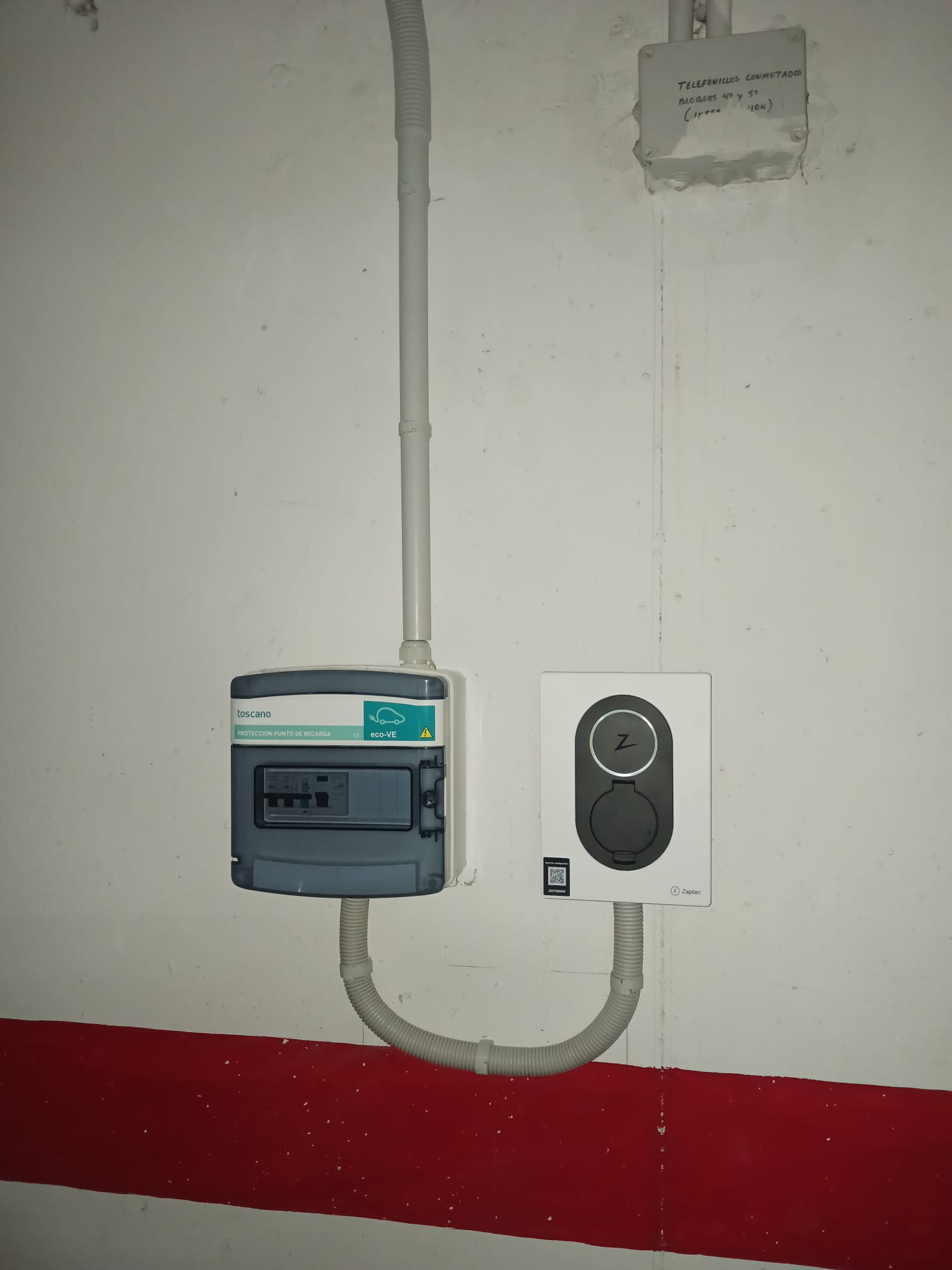
EV Charger Make-Ready — Calahonda Urbanisation
Communal parking electrical infrastructure prepared for future EV charging in Calahonda, Mijas. This is make-ready work, not evidence of a completed or operational charging point.
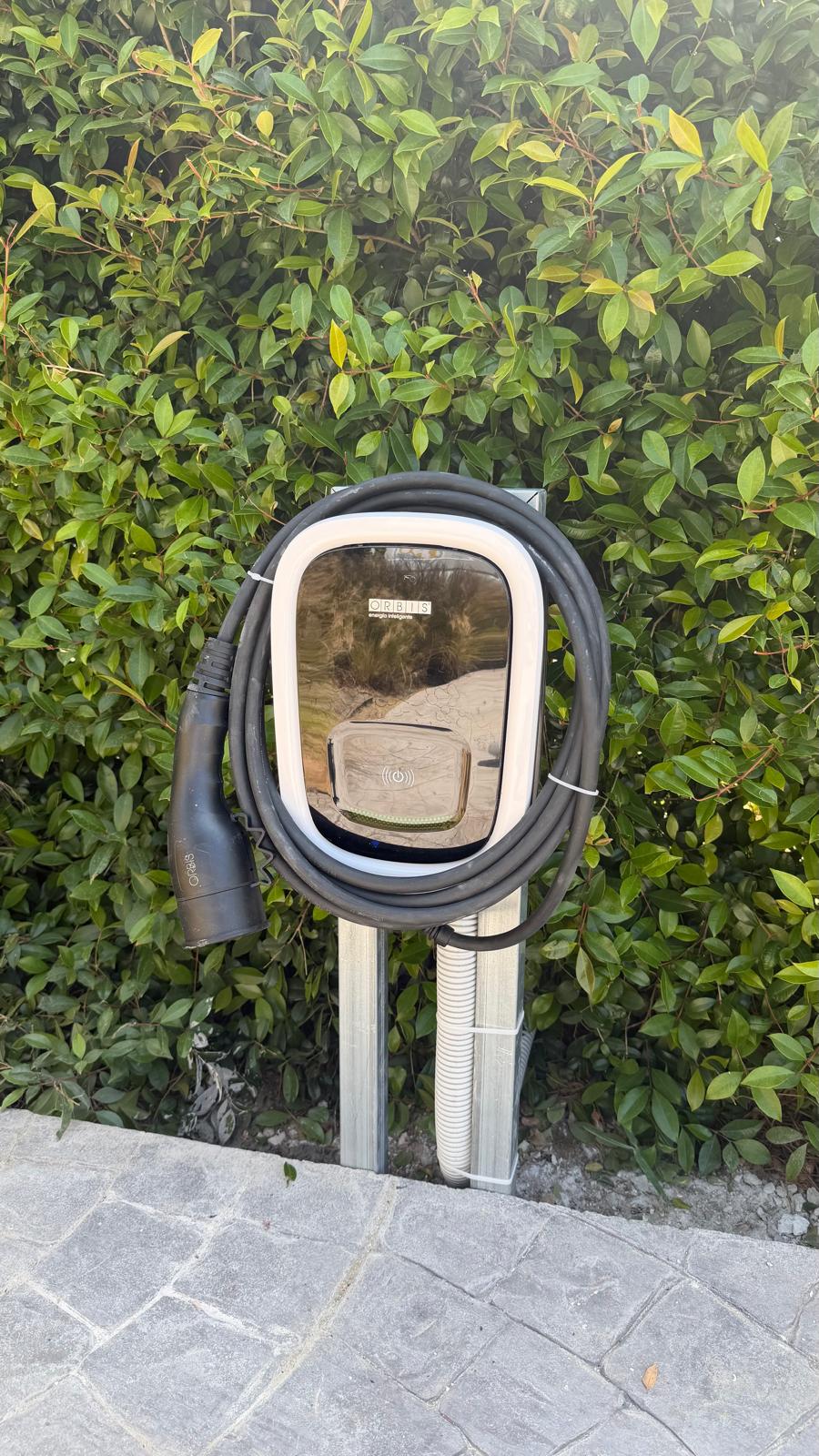
EV Charger Installation — Orbis Viaris 7.4 kW Single-Phase, Pedestal Mount, San Pedro de Alcántara (Marbella)
Orbis Viaris home EV charger installed on a dedicated pedestal at a property in San Pedro de Alcántara, Marbella. The photographs document the charger and mounting arrangement. A 7.4 kW single-phase rating is a nominal equipment capability, not a promise of delivered power or kilometres per hour. Vehicle limits, available supply and commissioned load-management settings determine actual charging. Cable sizing, protective devices and test results must come from the installation design and records, not be inferred from a photograph.
Villa First Fix: 3-Phase & Airzone, Alhaurín
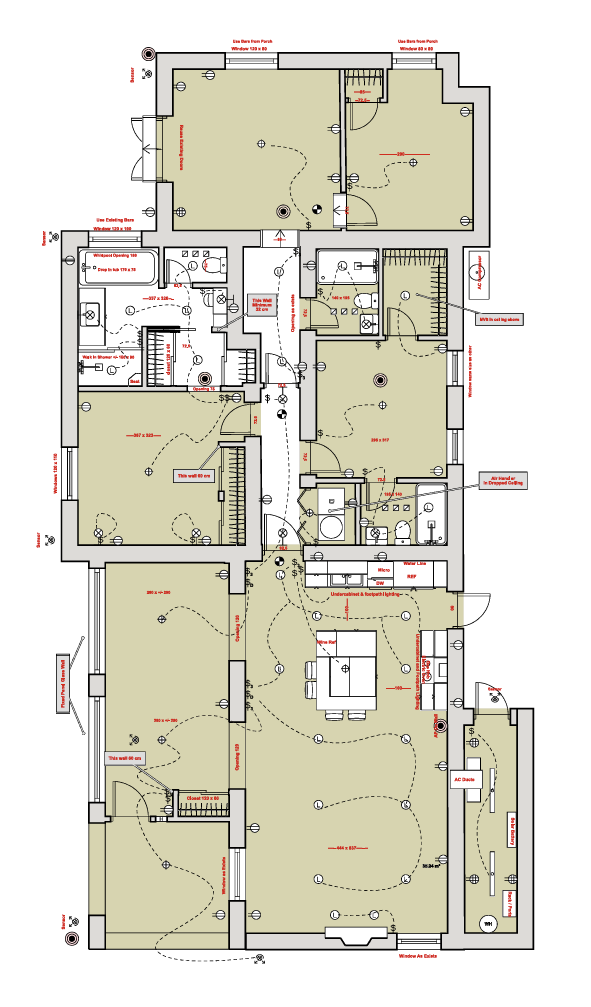
The client, an American expat based on the Costa del Sol, had bought an older villa in Alhaurín de la Torre with the intention of gutting it and doing it properly. Four bedrooms, approximately 200 square metres, a builder already appointed — and a clear brief: when this renovation is finished, the house should work the way a modern European home should work. Comfortable temperatures year-round, enough electrical capacity for anything the family might want to add, and nothing that creates problems to fix later. First fix is the stage of any renovation that nobody photographs, few homeowners fully understand, and almost every builder underestimates. It is the window — usually measured in days, not weeks — when the walls are open and the ceilings are bare, before the plasterers arrive and close everything in permanently. Everything that lives inside a wall or a ceiling: every cable, every conduit, every duct, every sensor wire, every refrigerant sleeve — it all has to go in at first fix. Once those surfaces close, you're done. Anything you missed means chasing, re-plastering, repainting, and a property that looks like it had surgery done on it six months after completion. The electrical specification for this project centred on 3-phase supply — 3 × 230V at 400V TN-S, to Spanish REBT regulation throughout. For an American client accustomed to 120V/240V single-phase, this needed a short explanation. The Spanish 3-phase system carries significantly more capacity — the AC system, future EV charger, pool pump, and full household load can all run simultaneously without stressing the supply. We pre-wired approximately 18 circuits across the three phases, balanced to within 10%, and reserved a dedicated conduit and MCB position for a future EV charger in the garage. The consumer unit itself will be fitted at second fix, once the building work is complete — but every circuit is labelled, tested for continuity, and documented so that second fix is straightforward. The ducted AC and Airzone installation is where first fix really justifies itself as a concept. A ducted air conditioning system is, by design, completely invisible in a finished property. The Daikin central air handling unit sits in a ceiling void. The galvanised steel ductwork runs through structural ceiling spaces to ceiling diffusers in each room. The Airzone zone dampers — motorised flaps that open and close individual zones independently — are built into the ductwork. All of it disappears before the finishes go on. That invisibility is exactly why it has to go in now, at first fix, and why the Airzone control wiring — the zone bus cable, the temperature sensors, the thermostat positions — all had to be pre-wired inside the wall cavities before plaster. The system will give the family independent temperature control in every room of the house: living area, kitchen, master bedroom, and three further bedrooms, each with its own thermostat, each able to be set or switched off independently. That level of control, in a property that looks completely standard from every finished surface, is what first fix makes possible.
Chint Consumer Unit + Auto-Reset RCDs, Alhaurín el Grande
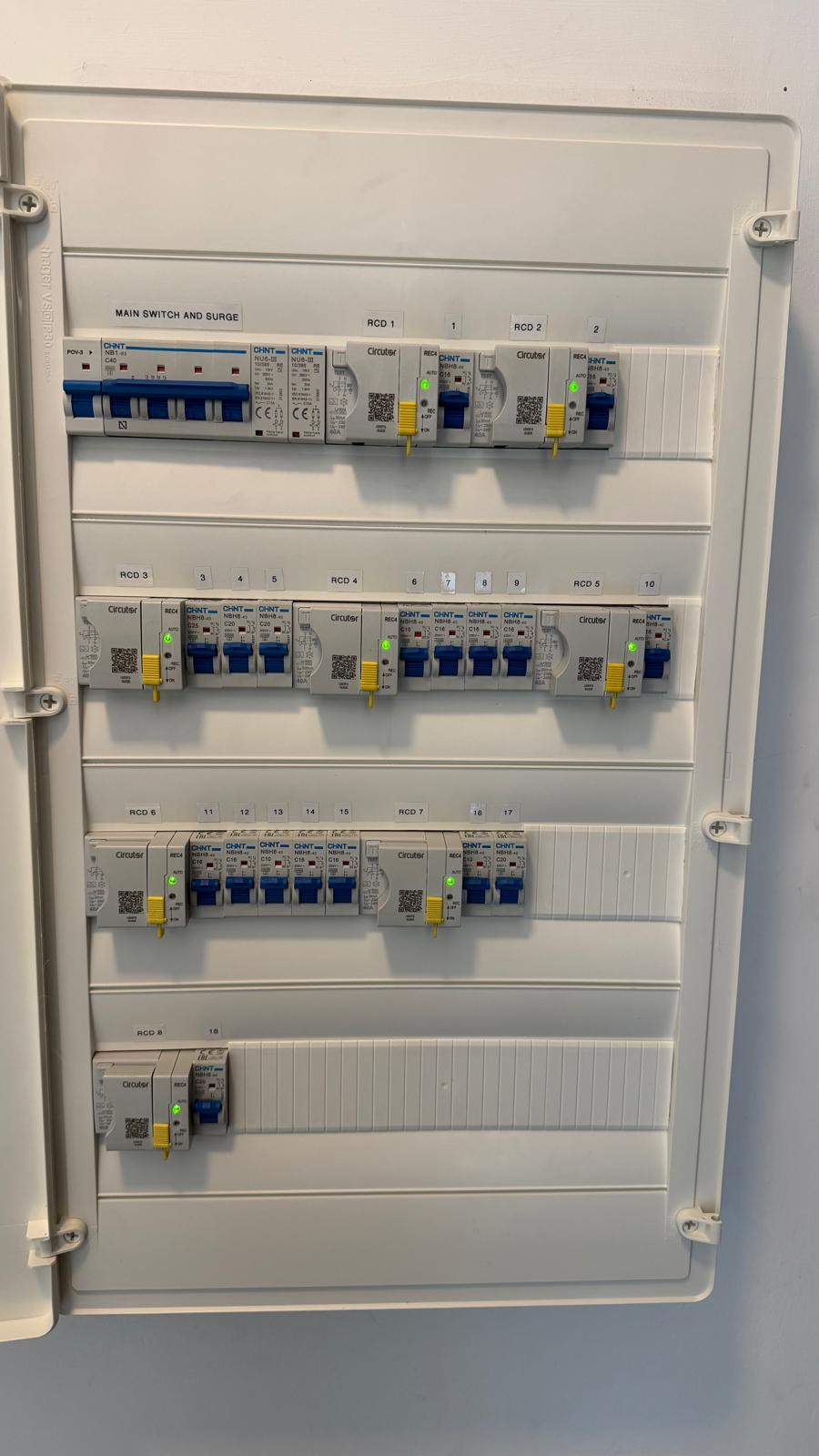
The client owns a finished villa in Alhaurín el Grande — fully decorated, fully lived-in, on a 3-phase 230 V/400 V supply — with an existing Chint-branded electrical installation that the previous owner specified throughout. Over the past year the original consumer unit had become unreliable: nuisance trips on the outside lighting and security circuit during winter rain, a main switch that no longer felt mechanically positive, and a board that had been added to piecemeal over the years until the labelling no longer matched the circuits behind it. The client called us with a clear brief and an equally clear constraint. The brief: replace the consumer unit, restore safe and reliable protection across the whole property, and do it without trips that wake the family up at three in the morning when a wet weather seal lets a few drops of moisture into an outdoor PIR. The constraint: a full rewire — chasing every wall, lifting every floor, replastering and redecorating the entire villa — was not on the table. Not now. The property is finished, the family lives in it every day, and there is a major reform planned in roughly two to three years that will involve opening the structure anyway. Doing a full rewire today and then opening the same walls again in 2028 makes no sense for anyone. This case study explains the engineering decisions on a project where the brief is not 'rebuild from scratch' but 'make the existing installation as safe, reliable, and future-ready as it can be — and brand-match it cleanly to what is already there.' It covers why the client specified Chint (and what makes Chint a credible specification on a Spanish residential board), why we fitted Circutor REC4 self-reclosing RCDs on every one of the 8 RCD groups rather than mixing fixed and auto-reset devices, how the 18 final circuits were grouped across the 8 RCDs and balanced over the three phases L1, L2 and L3, and how the whole assembly was pre-built off the wall before a single live cable was disconnected from the existing supply.
Solar Panels Rescued in Mijas — Wind Damage Emergency & Proper Reinstallation
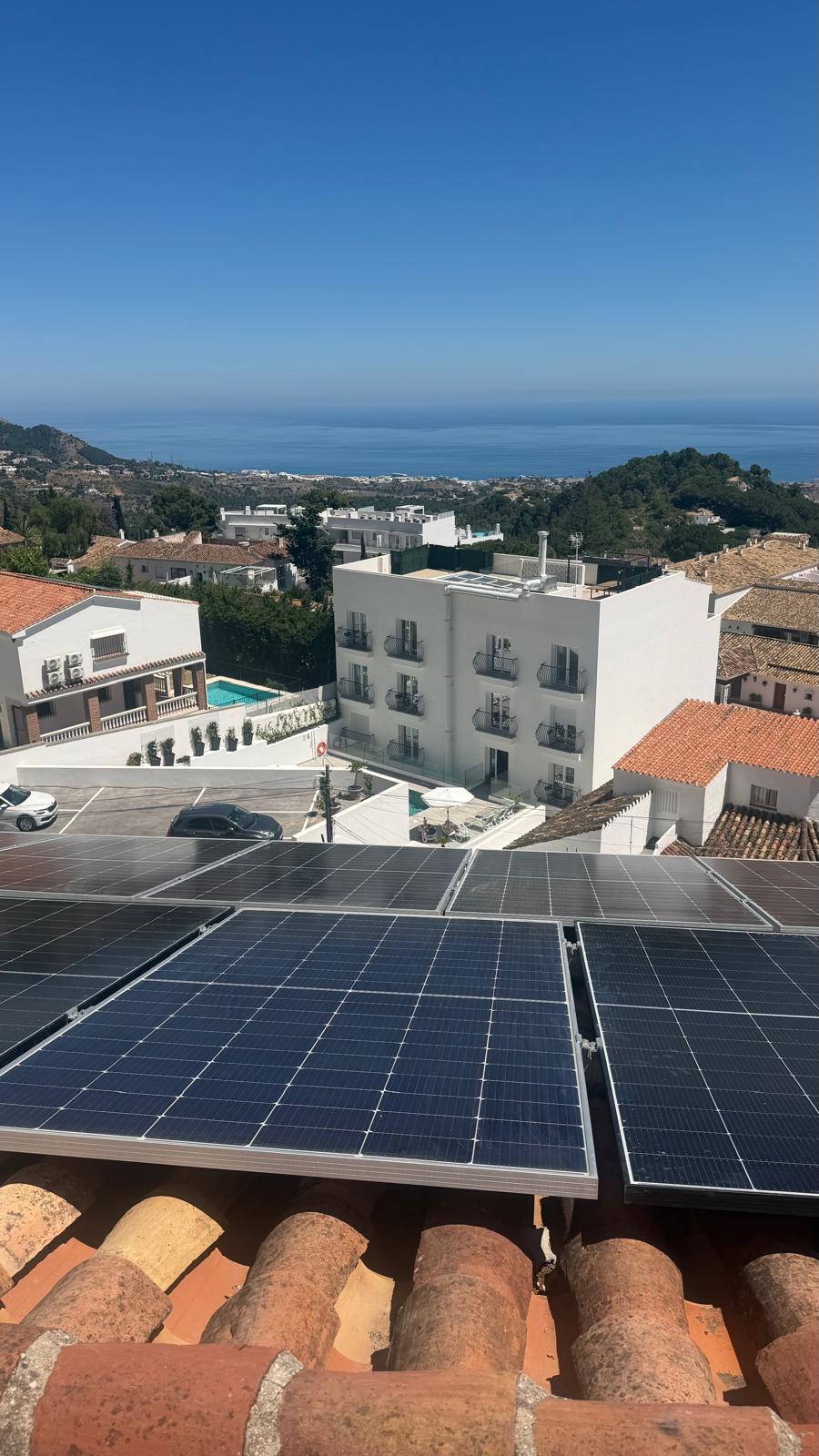
Solar panels came loose during strong winds at a traditional Mijas Pueblo property. LIT made them safe immediately, then reinstalled them correctly on proper aluminium rail mounting once the weather settled.
All Projects
Tesla Wall Connector Gen 3 — Private Garage, Estepona
Tesla Wall Connector installation at a home in Estepona. The case documents the charger and electrical integration; actual charging power depends on the vehicle, supply and commissioned settings.
EV Charger Make-Ready — Calahonda Urbanisation
Communal parking electrical infrastructure prepared for future EV charging in Calahonda, Mijas. This is make-ready work, not evidence of a completed or operational charging point.
EV Charger Installation — Orbis Viaris 7.4 kW Single-Phase, Pedestal Mount, San Pedro de Alcántara (Marbella)
Orbis Viaris home EV charger installed on a dedicated pedestal at a property in San Pedro de Alcántara, Marbella. The photographs document the charger and mounting arrangement. A 7.4 kW single-phase rating is a nominal equipment capability, not a promise of delivered power or kilometres per hour. Vehicle limits, available supply and commissioned load-management settings determine actual charging. Cable sizing, protective devices and test results must come from the installation design and records, not be inferred from a photograph.
Villa First Fix: 3-Phase & Airzone, Alhaurín
The client, an American expat based on the Costa del Sol, had bought an older villa in Alhaurín de la Torre with the intention of gutting it and doing it properly. Four bedrooms, approximately 200 square metres, a builder already appointed — and a clear brief: when this renovation is finished, the house should work the way a modern European home should work. Comfortable temperatures year-round, enough electrical capacity for anything the family might want to add, and nothing that creates problems to fix later. First fix is the stage of any renovation that nobody photographs, few homeowners fully understand, and almost every builder underestimates. It is the window — usually measured in days, not weeks — when the walls are open and the ceilings are bare, before the plasterers arrive and close everything in permanently. Everything that lives inside a wall or a ceiling: every cable, every conduit, every duct, every sensor wire, every refrigerant sleeve — it all has to go in at first fix. Once those surfaces close, you're done. Anything you missed means chasing, re-plastering, repainting, and a property that looks like it had surgery done on it six months after completion. The electrical specification for this project centred on 3-phase supply — 3 × 230V at 400V TN-S, to Spanish REBT regulation throughout. For an American client accustomed to 120V/240V single-phase, this needed a short explanation. The Spanish 3-phase system carries significantly more capacity — the AC system, future EV charger, pool pump, and full household load can all run simultaneously without stressing the supply. We pre-wired approximately 18 circuits across the three phases, balanced to within 10%, and reserved a dedicated conduit and MCB position for a future EV charger in the garage. The consumer unit itself will be fitted at second fix, once the building work is complete — but every circuit is labelled, tested for continuity, and documented so that second fix is straightforward. The ducted AC and Airzone installation is where first fix really justifies itself as a concept. A ducted air conditioning system is, by design, completely invisible in a finished property. The Daikin central air handling unit sits in a ceiling void. The galvanised steel ductwork runs through structural ceiling spaces to ceiling diffusers in each room. The Airzone zone dampers — motorised flaps that open and close individual zones independently — are built into the ductwork. All of it disappears before the finishes go on. That invisibility is exactly why it has to go in now, at first fix, and why the Airzone control wiring — the zone bus cable, the temperature sensors, the thermostat positions — all had to be pre-wired inside the wall cavities before plaster. The system will give the family independent temperature control in every room of the house: living area, kitchen, master bedroom, and three further bedrooms, each with its own thermostat, each able to be set or switched off independently. That level of control, in a property that looks completely standard from every finished surface, is what first fix makes possible.
Chint Consumer Unit + Auto-Reset RCDs, Alhaurín el Grande
The client owns a finished villa in Alhaurín el Grande — fully decorated, fully lived-in, on a 3-phase 230 V/400 V supply — with an existing Chint-branded electrical installation that the previous owner specified throughout. Over the past year the original consumer unit had become unreliable: nuisance trips on the outside lighting and security circuit during winter rain, a main switch that no longer felt mechanically positive, and a board that had been added to piecemeal over the years until the labelling no longer matched the circuits behind it. The client called us with a clear brief and an equally clear constraint. The brief: replace the consumer unit, restore safe and reliable protection across the whole property, and do it without trips that wake the family up at three in the morning when a wet weather seal lets a few drops of moisture into an outdoor PIR. The constraint: a full rewire — chasing every wall, lifting every floor, replastering and redecorating the entire villa — was not on the table. Not now. The property is finished, the family lives in it every day, and there is a major reform planned in roughly two to three years that will involve opening the structure anyway. Doing a full rewire today and then opening the same walls again in 2028 makes no sense for anyone. This case study explains the engineering decisions on a project where the brief is not 'rebuild from scratch' but 'make the existing installation as safe, reliable, and future-ready as it can be — and brand-match it cleanly to what is already there.' It covers why the client specified Chint (and what makes Chint a credible specification on a Spanish residential board), why we fitted Circutor REC4 self-reclosing RCDs on every one of the 8 RCD groups rather than mixing fixed and auto-reset devices, how the 18 final circuits were grouped across the 8 RCDs and balanced over the three phases L1, L2 and L3, and how the whole assembly was pre-built off the wall before a single live cable was disconnected from the existing supply.
Solar Panels Rescued in Mijas — Wind Damage Emergency & Proper Reinstallation
Solar panels came loose during strong winds at a traditional Mijas Pueblo property. LIT made them safe immediately, then reinstalled them correctly on proper aluminium rail mounting once the weather settled.
6kW DEYE Solar — Benahavís Golf Community
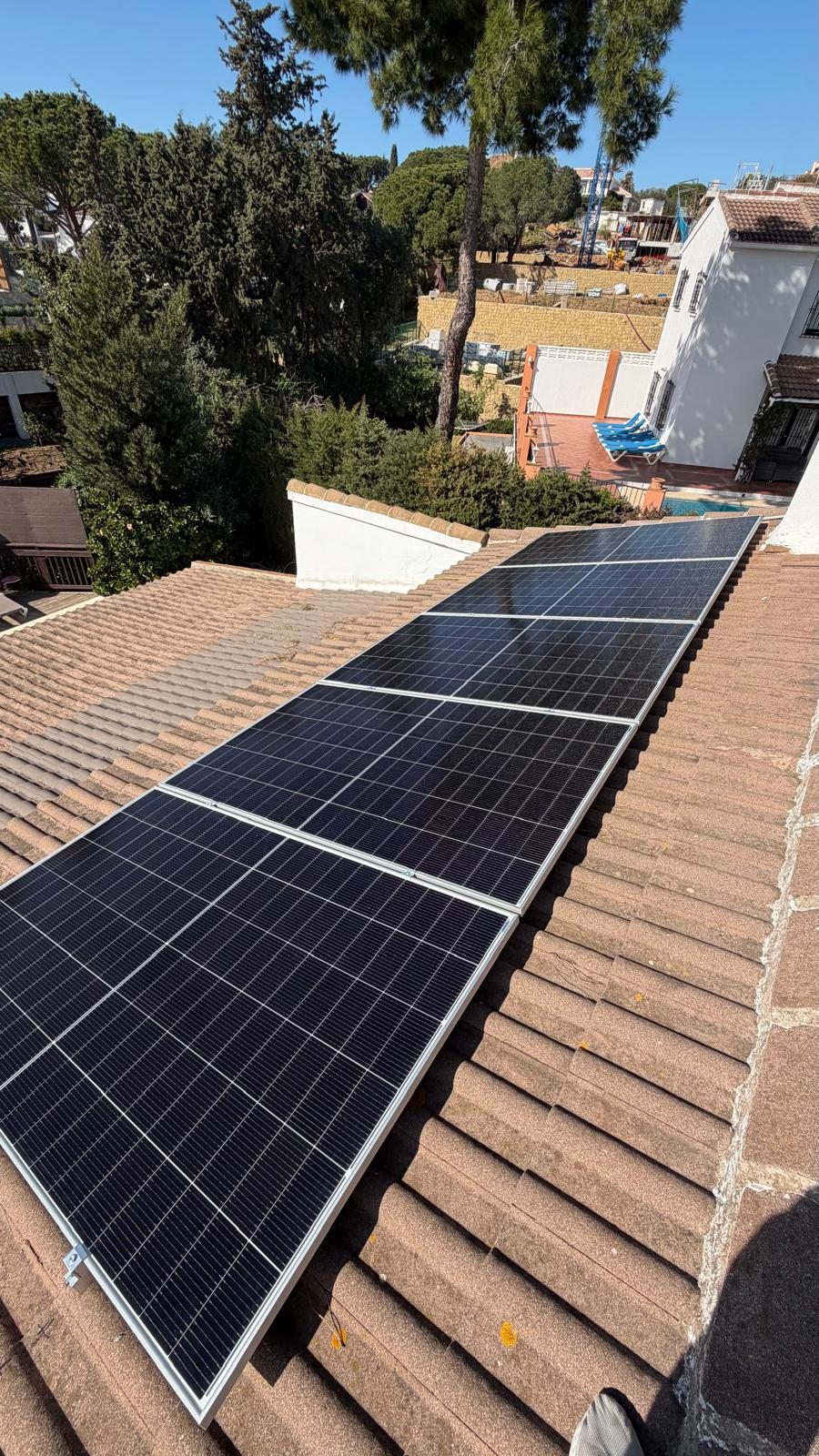
Most of our Benahavís solar jobs are large standalone villas with a single owner making all the decisions. This one was different from the moment the client called. The property was a townhouse in one of the golf communities west of the village, and the roof belonged to the community — not the client. That changes everything about how a job gets started. The system itself is straightforward enough: 12 × 500W monocrystalline half-cut panels, two strings of six, feeding into a DEYE SUN-6K-SG03LP1-EU single-phase hybrid inverter. Six kilowatts on a south-facing terracotta tile roof, portrait-mounted in two clean rows. You can see from the photo exactly what we were working with — the forested hills behind, the terracotta rooftops of the neighbouring townhouses below, and the pine trees to the east that became part of the engineering conversation. Benahavís sits at around 200 metres above sea level, which gives it a slightly different microclimate from the coast. It's marginally more sheltered from the summer sea haze, but also occasionally mist-covered in winter mornings. PVGIS data for the site coordinates — 36.52°N, 5.04°W — puts the annual irradiance at around 1,750 kWh per kilowatt-peak. That's a touch lower than what you'd see on a south-facing Costa del Sol seafront, but still very good solar country. With 6kW of panels at that yield, we projected 10,500 kWh per year in generation. The household's annual consumption was running at around 15,400 kWh. So this system, with sensible usage habits and a bit of scheduling, offsets roughly 68% of their electricity. The maths works out to around €1,512 per year in savings — partly from avoided purchases at the retail rate, partly from surplus compensation paid by Endesa under the autoconsumo con compensación simplificada tariff. At a total installed cost in the €9,000–€10,500 range, we're looking at a payback of around 6.5 years on a system that should comfortably last 25. The DEYE SUN-6K-SG03LP1-EU was specified partly for its battery-ready architecture. The client wasn't committing to batteries yet, but they mentioned it — and once somebody's mentioned batteries, we'd rather put in a hybrid inverter now than replace a grid-tied inverter in two years' time.
Solar Array Extension — 6× 500 W Panels on Deye 8 kW Hybrid, Mijas
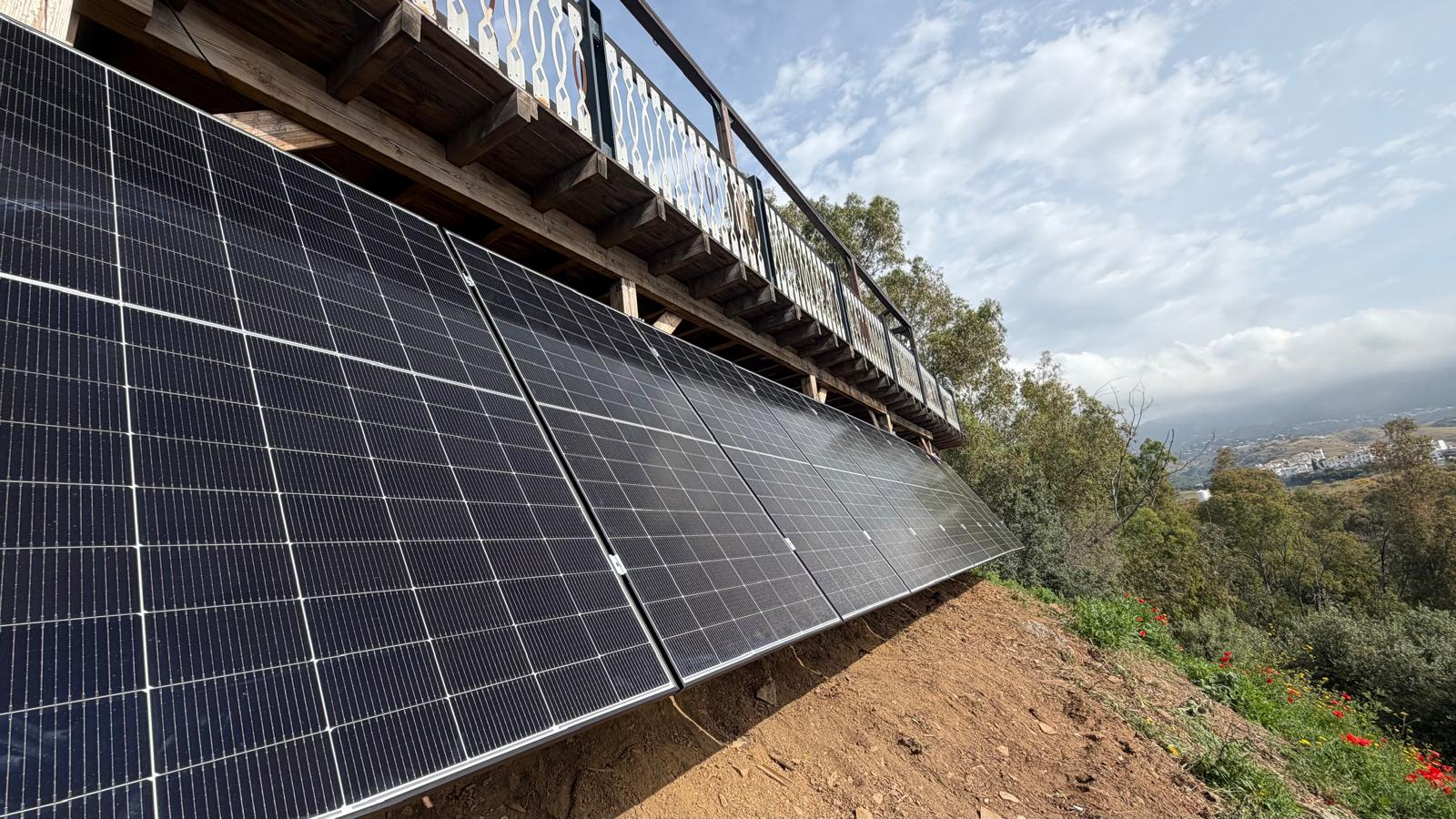
The client owns a hillside villa in Mijas built on a steep south-west-facing slope. The original solar installation — fitted two years ago by another installer — paired a 3-phase Deye SUN-8K-SG04LP3 hybrid inverter with a modest rooftop array. The inverter has been working faultlessly, the monitoring data is clean, and the consumption profile of the house has grown: a heat pump went in last winter, and a second air-conditioning zone was added during the summer. Generation no longer covers consumption. The client called us in to extend the array. The original installer had specified an 8 kW inverter with deliberate headroom — the Deye SUN-8K-SG04LP3 will accept up to 10.4 kW of PV on its DC side across two MPPTs (maximum 12.5 A short-circuit current per MPPT, 500 V open-circuit), and the existing rooftop string used only one of the two MPPTs and only a fraction of the available DC capacity. That headroom is the entire reason this extension makes economic sense: adding panels into the spare MPPT input means more generation without the cost of a second inverter, without changing the hybrid storage architecture, and without re-doing the grid-connection paperwork from scratch — only a CAU update to reflect the new total kWp. The rooftop was already built out and there was no mechanically sound additional roof area with the right pitch and orientation. The site engineering question was therefore where to put the extension. The answer the property gave us was the south-facing area directly underneath the main wooden deck on the lower side of the villa, where there is a clear view to the sky between roughly 9 am and 5 pm in winter and dawn-to-dusk in summer. The slope under that deck falls away sharply on a typical Mijas hillside gradient, and the only practical way to mount panels there in a way that survives twenty-five years of Andalucian sun, winter rain and the occasional Levante gust is a bespoke hot-dip galvanised steel A-frame structure built off the existing reinforced concrete columns and the bedrock below. This case study covers why the inverter headroom made the extension the right economic call, why we built a custom galvanised frame rather than buying off-the-shelf rails, and how the 3.0 kWp extension was electrically sized to drop straight into the spare MPPT input on the existing Deye inverter without changing a thing on the house side of the wiring.
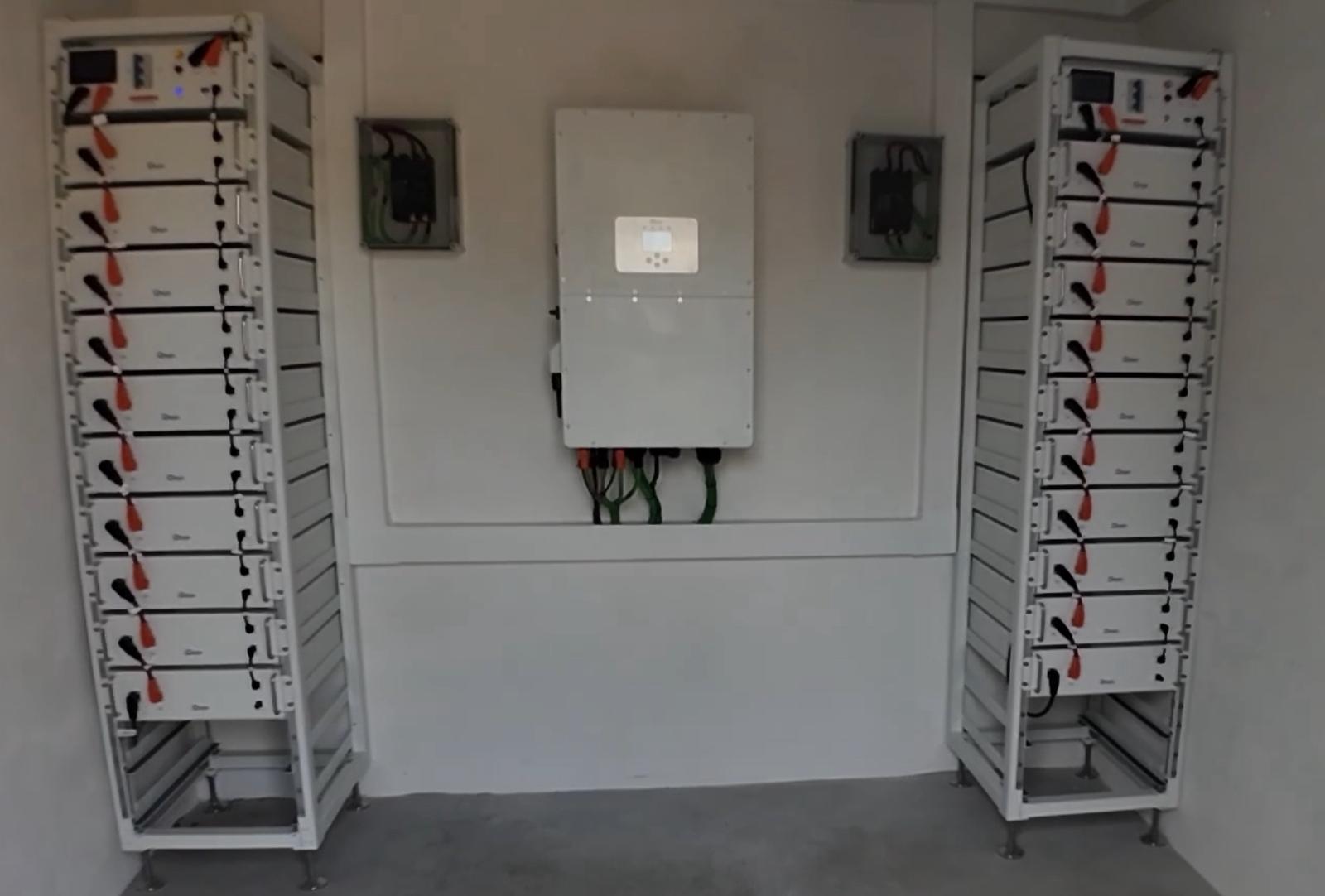
100kWh Battery Storage — Alhaurín el Grande
Battery-storage project in Alhaurín el Grande using a nominal 100 kWh storage system with solar generation. Nominal capacity is not the same as usable energy or guaranteed backup duration. Supported circuits, inverter output, battery state of charge, operating limits and changeover arrangements determine what can run during an outage. A system of this size needs a design matched to the property's loads, commissioning and the applicable installation documentation. The project does not establish a guaranteed annual saving, self-sufficiency percentage or payback period for another property.
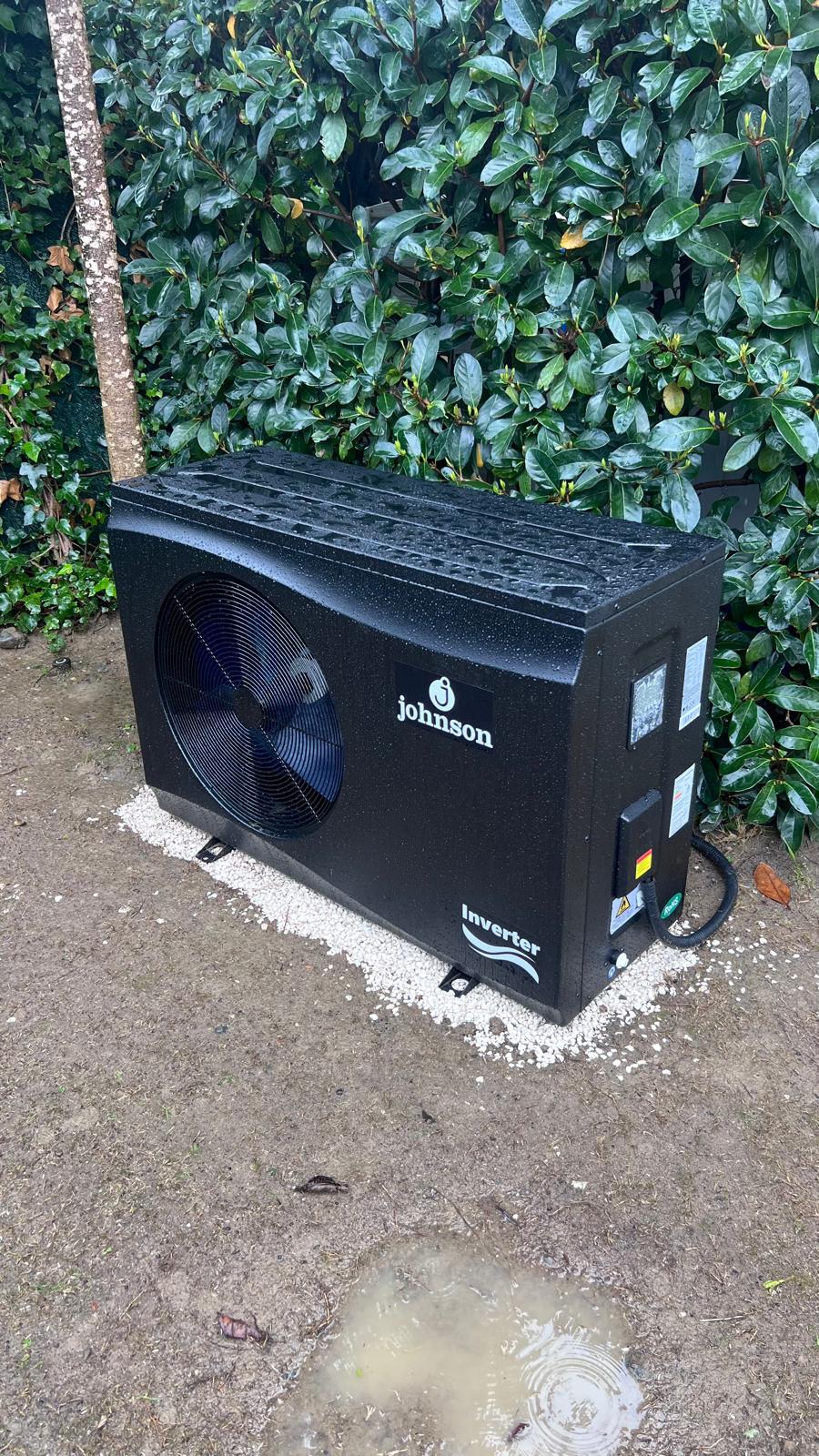
Pool Heat Pump - Estepona
Year-round pool heating for coastal property. Extended swimming season by 6 months with efficient heat pump system.
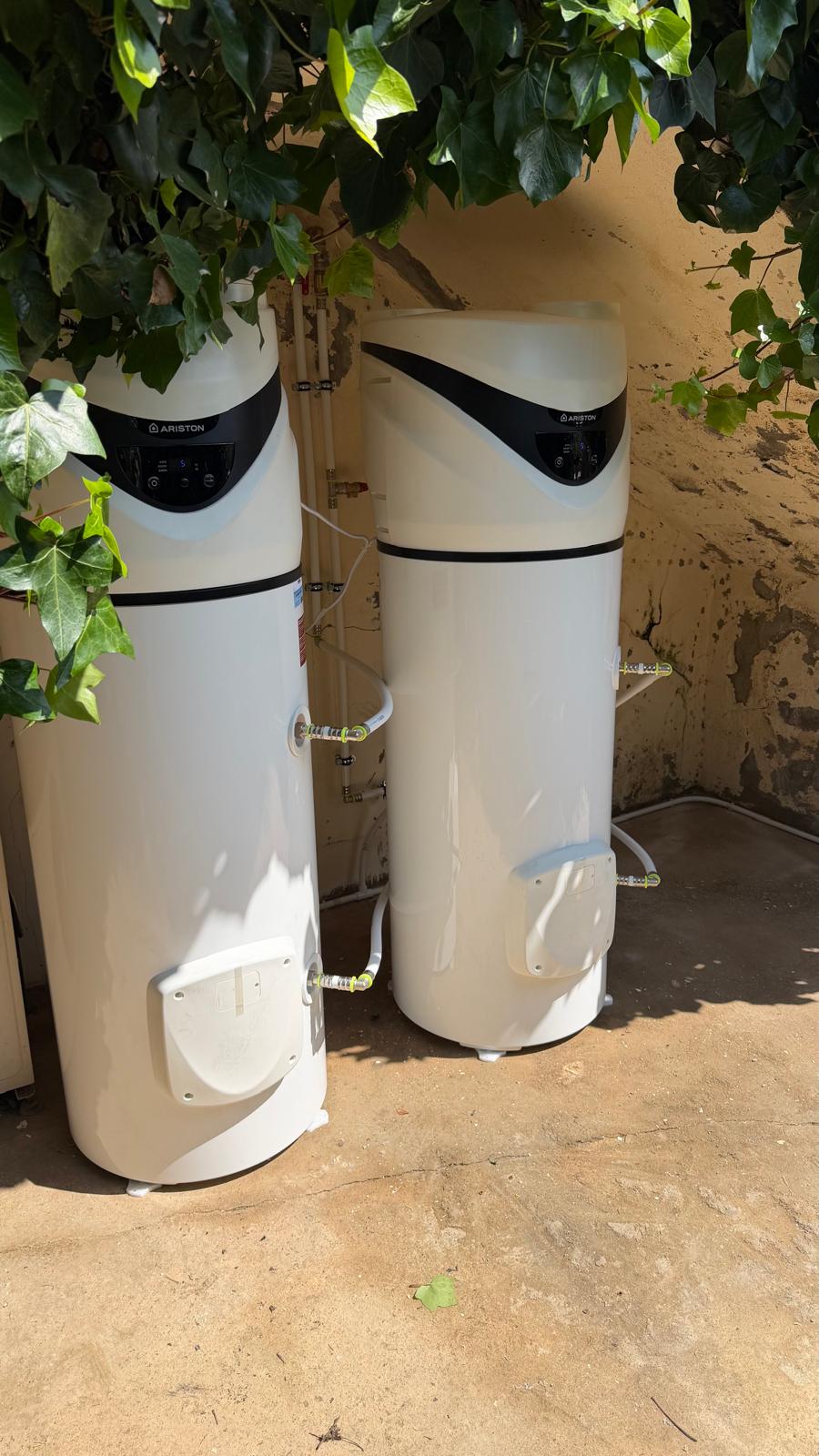
Hot Water Heat Pump - Nerja
300L heat pump water heater replacing electric resistance system. Significant energy savings for family home.