EV Charging Station - La Cala de Mijas
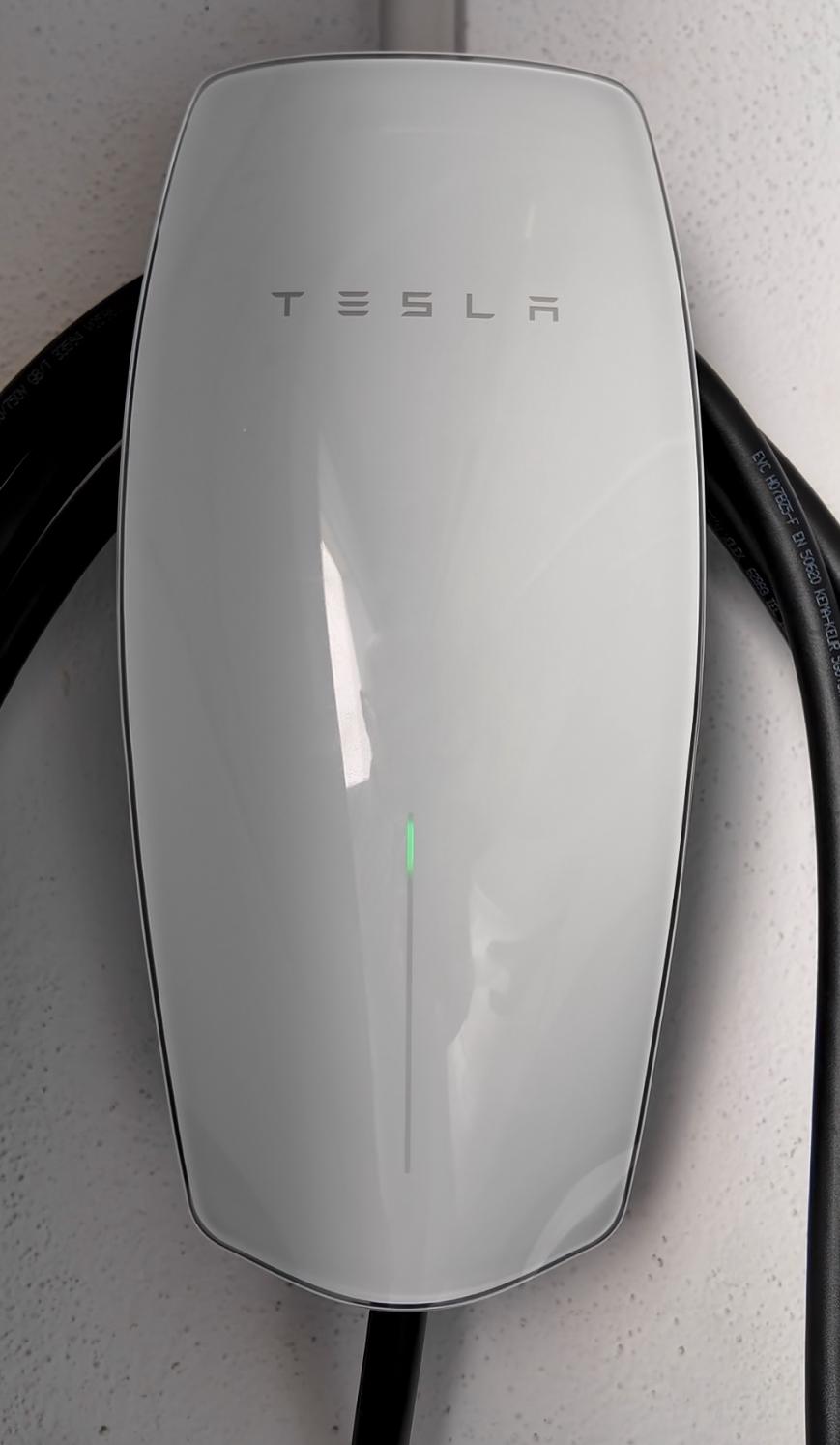
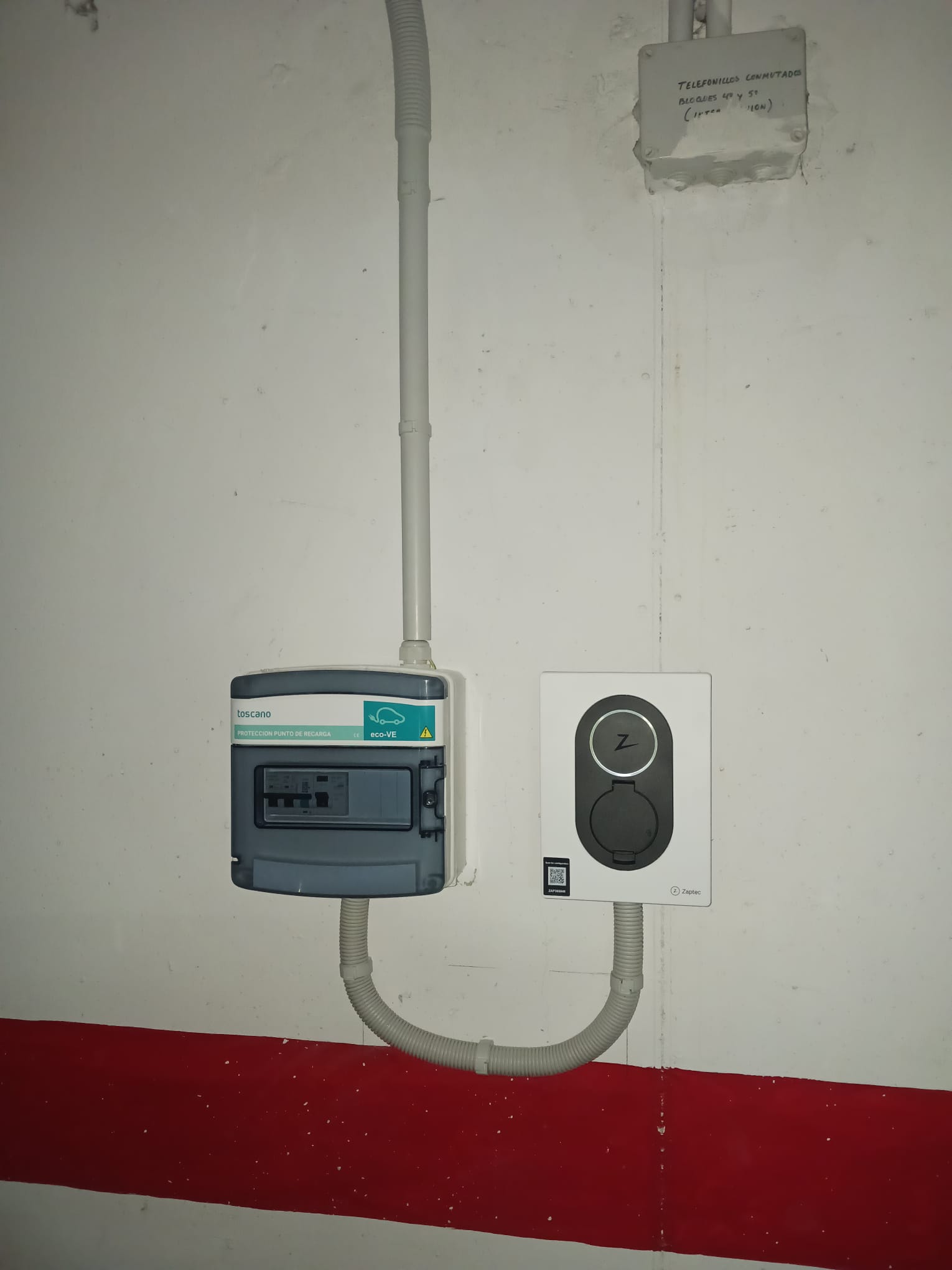
7.4kW Type 2 home EV charger in a La Cala de Mijas private garage — dedicated 32A circuit with CT clamp dynamic load management, Type A RCBO, and Boletín Eléctrico on completion.
 By Ben Hayden
Project Overview
The Challenge
The property owner at La Cala de Mijas had just taken delivery of a Hyundai IONIQ 6 and was immediately confronted with the reality of EV ownership in rural coastal Spain: the nearest fast charger was a 15-minute drive, and the villa's existing electrical supply was a single-phase 25A feed from a shared transformer serving 4 properties. A standard 7.4kW Type 2 charger would have overloaded the existing supply during peak summer months when air conditioning was running. The challenge was to specify an EV charger installation that worked within the property's actual electrical capacity constraints while delivering enough charging speed for daily use.
The Solution
22kW three-phase EV charger integrated with home solar system. Smart charging optimizes renewable energy use.
Technical Specifications
- Wallbox Pulsar Plus 22kW charger
- Three-phase installation
- Solar excess charging mode
- Mobile app scheduling
- RFID access control
Our Installation Process
Existing Supply Capacity Assessment
We measured the existing supply with a CT clamp meter over 24 hours to establish the actual peak demand profile. Maximum measured demand: 18A during evening AC peak in summer. The 25A supply fuse limits total draw to 5.75kW. Adding a 7.4kW charger would regularly exceed the supply fuse rating, causing supply trips. We specified a Wallbox Pulsar Plus with dynamic power management: the charger automatically reduces its output based on real-time household consumption, maintaining the total below the 25A supply limit.
REBT ITC-BT-52 Compliant Dedicated Circuit
Spanish REBT ITC-BT-52 requires a dedicated circuit for EV charging points, protected by a Type A RCD (minimum 30mA sensitivity) and a breaker rated for the charger's maximum output. We installed a 32A single-phase dedicated circuit from the consumer unit to the garage, running 16m of 6mm² H07V-K copper cable in rigid PVC conduit through the garden. All earthing was verified to TT system requirements and the Wallbox was earth bonded separately.
Dynamic Load Management Configuration
The Wallbox Pulsar Plus was connected to the household consumption meter via its myWallbox cloud platform and a CT clamp sensor. The dynamic load management algorithm continuously monitors total household consumption and adjusts the charger output in real time — slowing from 7.4kW to 2.3kW when the AC peaks, then ramping back up when loads reduce. In practice, the IONIQ 6 gains 20–60km of range per hour depending on household load, sufficient to fully charge overnight in all but the highest-demand summer evenings.
REBT ITC-BT-52 Certificate & Endesa Load Notification
The installation was certified under REBT ITC-BT-52 (Spanish EV Charging Infrastructure Regulation). Our senior engineer completed the Boletín Eléctrico for the dedicated 32A EV circuit and submitted it to the Delegación de Industria. Endesa was notified of the supply modification — a mandatory step whenever significant new load is added to a domestic supply. The notification included the EV charger rated power, dynamic load management specification, and supply head fuse adequacy calculation. All documentation was filed within 5 working days of commissioning. The complete Wallbox registration, myWallbox app setup, and RFID card programming were completed during the client handover visit, taking approximately 45 minutes.
Results
See the installation scope and equipment below; no financial outcome is promised.
Backed by Research
References for checking the proposed design. These sources do not certify this project's performance, savings, eligibility or commissioning records.
Specify charging against the vehicle and supply
A 7.4 kW, 11 kW or 22 kW equipment rating is not a promise of delivered power. Vehicle AC limits, phases, supply capacity and configured current determine charging. Cable sizing, earthing, RCD/DC fault protection, surge protection and documentation must follow the applicable design, REBT/ITC-BT-52 and manufacturer instructions.
BOE — REBT / ITC-BT-52 ↗Communal private-space charging has a defined notification rule
LPH article 17.5 provides prior notification for private-use charging in an individual garage space, with installation and consumption costs borne by the interested users. Shared infrastructure changes or other arrangements may require additional assessment; do not assume either universal neighbour consent or unrestricted work.
BOE — Ley de Propiedad Horizontal, article 17 ↗Check current incentive eligibility before budgeting
An eligible spending base is not the deduction itself. Confirm the current tax rule, dates, payment method, installation use and subsidised amounts with AEAT. Load management and solar compatibility also need model-specific checks; neither guarantees free charging or prevents every electrical trip.
Agencia Tributaria — current tax guidance ↗Dynamic load management is the key that makes home EV charging work on a 25A supply without a supply upgrade. Without it, you're either stuck with a 3.6kW trickle charger or you're tripping the supply fuse every time someone puts the dishwasher on. With Wallbox DLM configured correctly, the charger effectively becomes part of the household — it takes whatever headroom the supply has at that moment. Over a year, it delivers the same number of kilometres charged, but spread more intelligently.

Frequently Asked Questions
Related Services
LIT services in La Cala de Mijas directly related to this work.
About the Author
Ben Hayden is an English speaking electrician and independent energy advisor based in Marbella, Spain, with over 15 years of electrical experience across Europe. He provides independent energy and electrical checks for overseas property owners and managers across the Costa del Sol — helping clients cut electricity bills, navigate Spanish regulations, and make confident decisions on solar PV, heat pump, EV charger and battery storage projects. Ben advises in plain English on projects where the paperwork is in Spanish and the stakes are high. His writing has appeared in ExpatArrivals, The Olive Press, Euro Weekly News, BuildingTalk and pv magazine.
Want a similar project?
Free consultation and no-obligation quote for Costa del Sol properties.
Quote ConfiguratorProject Details
- Location
- La Cala de Mijas, Málaga
- Completed
- August 2025
- Service
- Ev Charging
- Author
- Ben Hayden