
Commercial EV Charging - Marbella Restaurant
Four-bay commercial EV charging at a Marbella hotel — OCPP three-phase chargers with guest billing and load balancing, within the hotel's existing contracted supply.
 By Ben Hayden
Project Overview
The Challenge
The mixed-use commercial development in Puerto Banús — 8 retail units, a restaurant, and a 40-bay underground car park — needed EV charging infrastructure for both their own company fleet and as a customer amenity. Spanish law increasingly requires commercial buildings over a certain size to provide EV charging capability (RITE regulation and building codes), but retro-installing 40 individual charger circuits in an existing underground car park presented specific challenges: fire-rated cable routing through a carpark structure, adequate ventilation assessment for LFP battery vehicles, and the commercial metering complexity of shared infrastructure between separate business units.
The Solution
Wallbox Commander charging installation for a restaurant in Marbella. Commercial charging needs an assessment of electrical capacity, access, metering and operating arrangements; revenue is not guaranteed.
Technical Specifications
- 2 x Wallbox Commander 2 22kW chargers
- Three-phase commercial installation
- Payment integration system
- Public charging access
- myWallbox portal management
- Revenue tracking dashboard
Our Installation Process
Fire Safety & Electrical Survey
An underground car park installation requires fire-rated cable throughout: we specified BS 8519 Class F120 mineral-insulated cable for all EV circuits. An existing ventilation assessment confirmed the car park's forced ventilation was adequate for the planned EV capacity (CIBSE Guide E requirements for EV parking). Each EV circuit was protected with Type B RCDs — required for EV charger protection under IEC 62955 and REBT.
Zaptec Pro Network & Load Balancing
16 Zaptec Pro chargers were installed across the first two installation phases, with power trunking pre-installed for future expansion to 40 units. Zaptec's native dynamic load balancing system monitors the building's total electrical demand and distributes available charging power across all active chargers — preventing the car park from overloading the building's main supply during peak business hours. The Zaptec Portal allows the administrator to set access control and generate monthly usage reports per charger for tenant billing.
Commercial Metering & OCPP Integration
Individual energy meters were installed at each charger to enable accurate per-session billing. All chargers are connected to a central OCPP 1.6 backend, allowing the building manager to set tariffs, generate invoices, and provide receipts to customers and fleet managers via the Zaptec Portal. The system supports both RFID card access for registered users and open access via QR code for visitor parking.
REBT ITC-BT-52 Certification & Building Electrical Sign-Off
All EV charging installations in commercial premises require certification under REBT ITC-BT-52 — the Spanish regulation specifically covering EV charging infrastructure. Our senior electrical engineer completed the full Boletín Eléctrico covering the new 100kW supply upgrade, distribution board, cable tray installation, and all 12 charging circuits. The document was countersigned by a Delegación de Industria-registered electrical inspector and submitted within 3 working days of commissioning. Endesa was formally notified of the 100kW supply upgrade via the SIPS platform — a process that required coordination with the local distribution network operator to confirm that the building's grid connection point could support the additional load. All 12 chargers were registered on the RECORE national EV charging registry as required for compliance with EU Alternative Fuels Infrastructure Regulation.
Results
Commercial EV charging infrastructure
Backed by Research
References for checking the proposed design. These sources do not certify this project's performance, savings, eligibility or commissioning records.
Specify charging against the vehicle and supply
A 7.4 kW, 11 kW or 22 kW equipment rating is not a promise of delivered power. Vehicle AC limits, phases, supply capacity and configured current determine charging. Cable sizing, earthing, RCD/DC fault protection, surge protection and documentation must follow the applicable design, REBT/ITC-BT-52 and manufacturer instructions.
BOE — REBT / ITC-BT-52 ↗Communal private-space charging has a defined notification rule
LPH article 17.5 provides prior notification for private-use charging in an individual garage space, with installation and consumption costs borne by the interested users. Shared infrastructure changes or other arrangements may require additional assessment; do not assume either universal neighbour consent or unrestricted work.
BOE — Ley de Propiedad Horizontal, article 17 ↗Check current incentive eligibility before budgeting
An eligible spending base is not the deduction itself. Confirm the current tax rule, dates, payment method, installation use and subsidised amounts with AEAT. Load management and solar compatibility also need model-specific checks; neither guarantees free charging or prevents every electrical trip.
Agencia Tributaria — current tax guidance ↗Frequently Asked Questions
Related Services
LIT services in Marbella directly related to this work.
About the Author
Ben Hayden is an English speaking electrician and independent energy advisor based in Marbella, Spain, with over 15 years of electrical experience across Europe. He provides independent energy and electrical checks for overseas property owners and managers across the Costa del Sol — helping clients cut electricity bills, navigate Spanish regulations, and make confident decisions on solar PV, heat pump, EV charger and battery storage projects. Ben advises in plain English on projects where the paperwork is in Spanish and the stakes are high. His writing has appeared in ExpatArrivals, The Olive Press, Euro Weekly News, BuildingTalk and pv magazine.
Want a similar project?
Free consultation and no-obligation quote for Costa del Sol properties.
Quote ConfiguratorProject Details
- Location
- Marbella, Málaga
- Completed
- August 2025
- Service
- Ev Charging
- Author
- Ben Hayden
Related Projects
EV Charging Station - La Cala de Mijas
See the installation scope and equipment below; no financial outcome is promised.
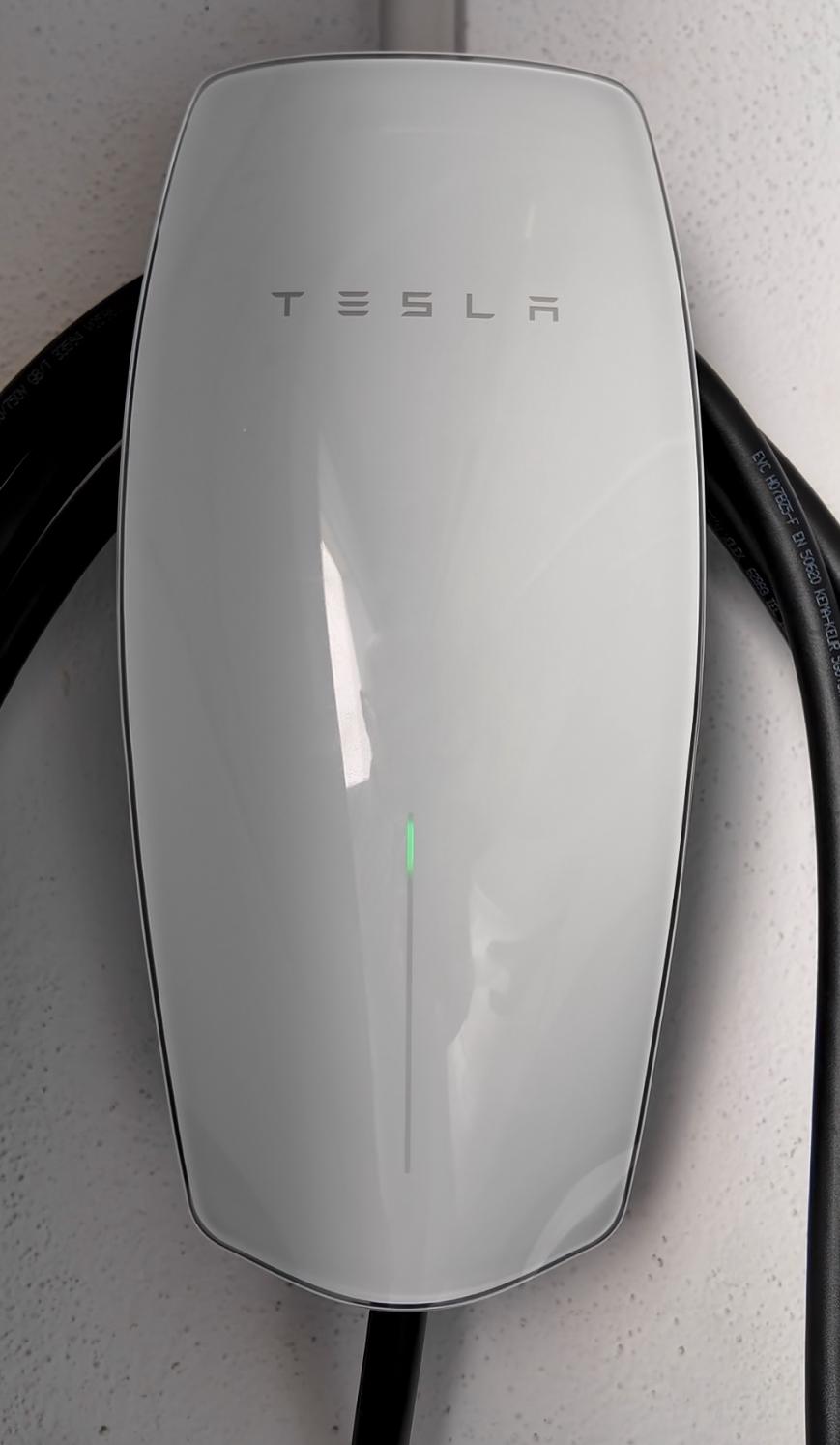
Tesla Wall Connector Gen 3 — Private Garage, Estepona
Home EV charging installation
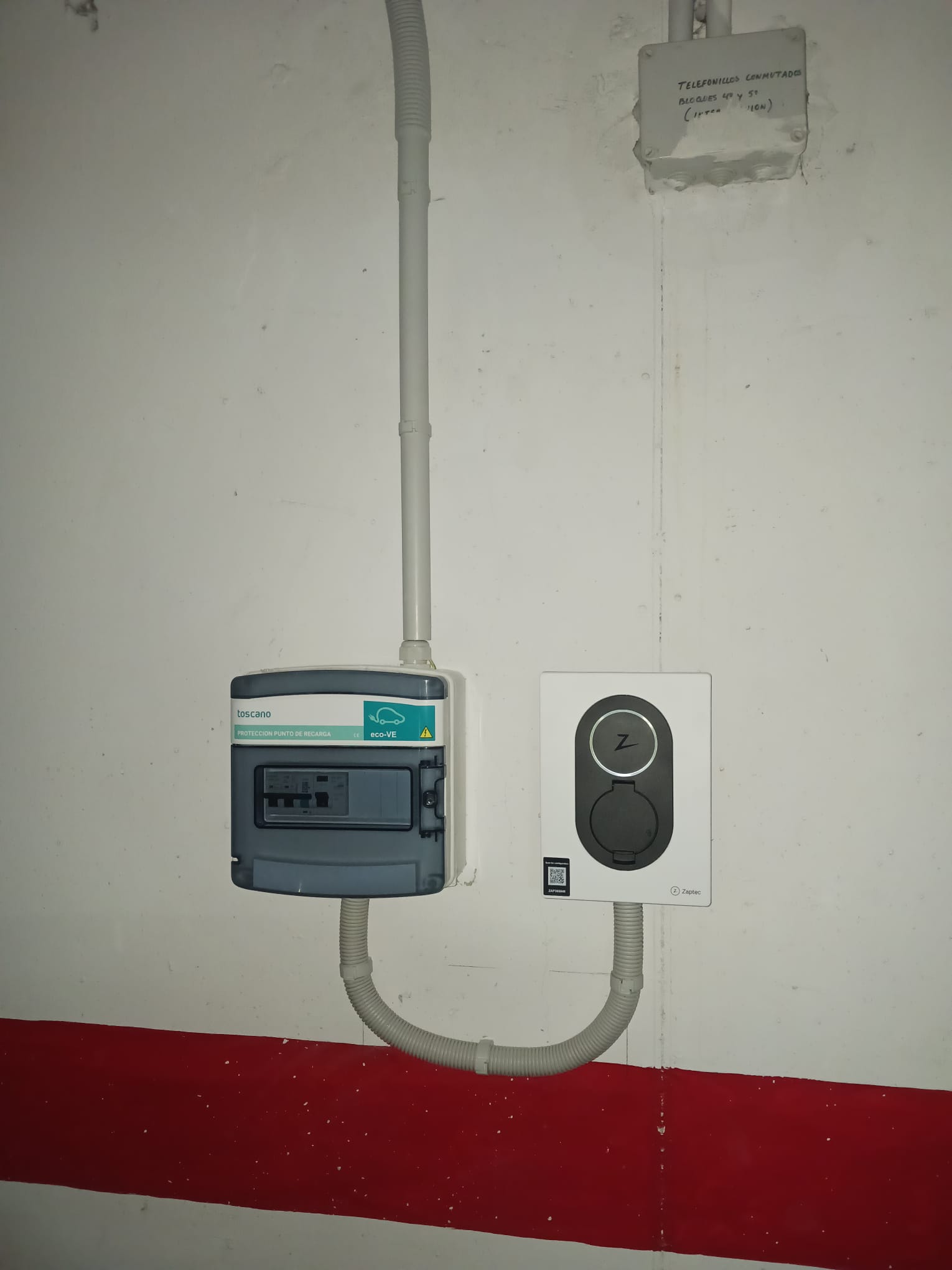
EV Charger Make-Ready — Calahonda Urbanisation
Make-ready infrastructure for future charging